


A Complete Guide to Charging Your Geely in South Africa
The arrival of Geely’s new energy vehicles, the all-electric E5 and the EM-i Super Hybrid, marks a new era of mobility for South African drivers. But for many, the switch from petrol to "plug-in" comes with questions: Where do I charge? How long does it take? And what does it actually cost compared to a tank of 95 Unleaded?
Here is everything you need to know about Geely Power technology and the practicalities of EV ownership in South Africa.
1. How Geely Charging Works: The Short Blade Advantage
Geely’s latest vehicles, like the E5, feature the revolutionary Short Blade Battery. Not only is it safer and more durable than traditional EV batteries, but it’s also designed for speed.
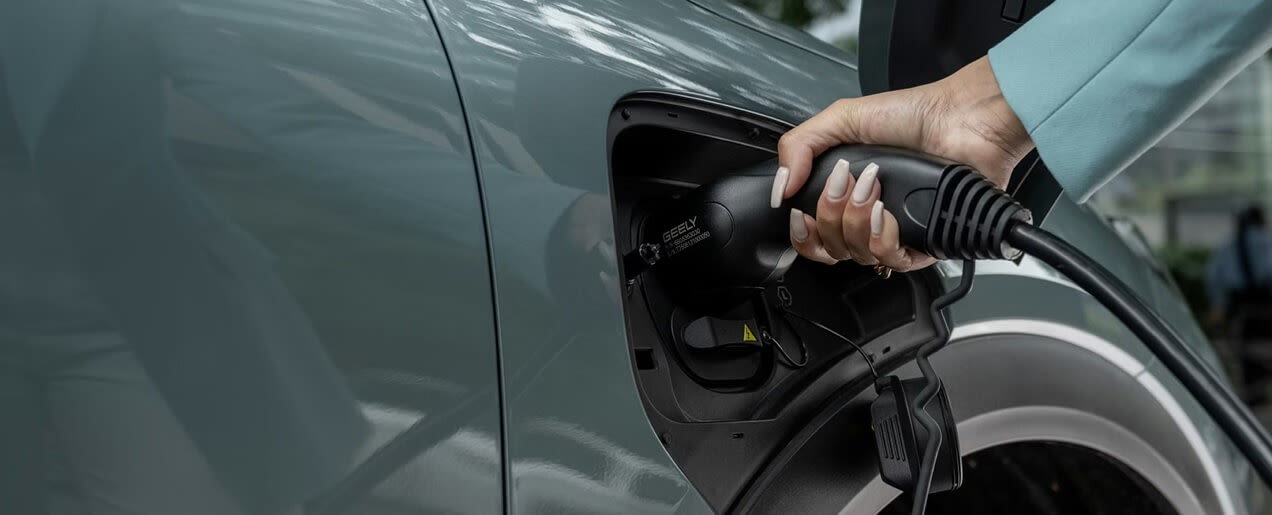
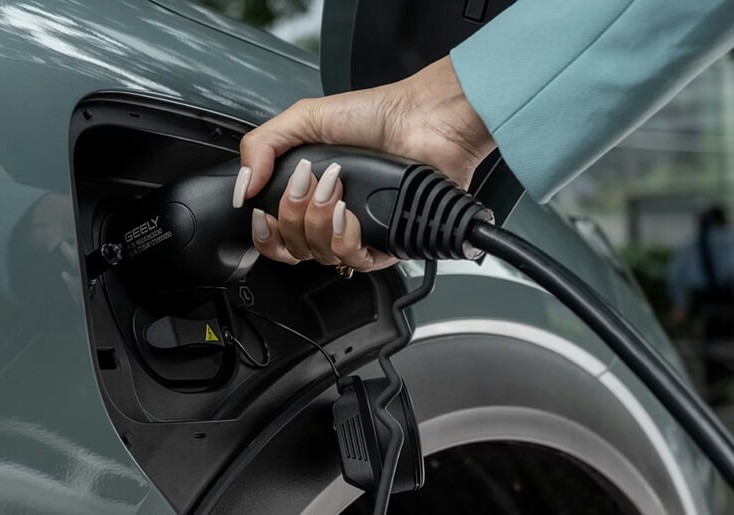
- AC Charging (Home/Office): Every Geely EV comes with a Type 2 connector, the standard in South Africa. Using a 11kW home wall box, you can fully recharge your battery overnight while you sleep.
- DC Fast Charging (On the Road): When you're on a road trip, Geely’s technology supports high-speed DC charging. The E5 can jump from 30% to 80% in approximately 20 minutes, just enough time for a quick coffee break at a highway stop.
2. Charging at Home: Your Personal Fuel Station
Roughly 90% of EV charging happens at home. It is the most convenient and cost-effective way to keep your Geely ready for the day.
- The Setup: Geely South Africa partners with local specialists to offer turn-key installation of home charging boxes. These are 10x faster than a standard wall socket and include built-in safety features to protect your home’s grid.
- The Cost of Installation: A standard Level 2 home charger installation in SA typically ranges between R10 000 and R25 000, depending on your home’s electrical distribution board and the distance to your parking spot.
- Load Shedding? No Problem: Geely vehicles feature V2L (Vehicle-to-Load) technology. This allows your car to act as a giant power bank, capable of powering your fridge, lights, or coffee machine during a blackout.
3. Public Charging: The South African Network
You are never far from a charge. South Africa currently has over 650 public charging points, managed by operators like GridCars and Rubicon.
- Where to find them: Use apps like Charge Pocket or PlugShare to find live maps. You’ll find chargers at major shopping centres (like Sandton City, V&A Waterfront, and Gateway), hotels, and along every major national highway (N1, N2, and N3).
- Compatibility: Geely uses the CCS2 standard for fast charging, which is the universal standard for all public chargers in South Africa.
4. The Big Question: What Does it Cost?
Charging a Geely is significantly cheaper than filling a petrol tank. Here is the 2025/2026 breakdown for South African users:
|
Charging Type |
Estimated Cost |
Equivalent Petrol Fee |
|
Home Charging |
~R3.50 – R4.20 per kWh |
Cheapest: Half the cost of petrol per km. |
|
Public AC (Medium) |
~R5.88 per kWh |
Great for "top-ups" while shopping. |
|
Public DC (Fast) |
~R7.00 – R7.35 per kWh |
Premium price for maximum speed. |
The Bottom Line: If you drive 100km in a petrol SUV, it might cost you R160. In an electric Geely charged at home, that same 100km will cost you roughly R70 to R80.
5. Why Choose Geely Power?
The Geely E5 isn't just a car; it's a tech-forward solution to South Africa's rising fuel prices. With a range of up to 430km (WLTP), most drivers will only need to refuel once or twice a week, and they can do it without ever visiting a petrol station.
Ready to make the switch?
Visit your nearest Geely dealer to experience the E5 or E5 EM-i and chat with our team about customizing a home charging solution for your lifestyle.